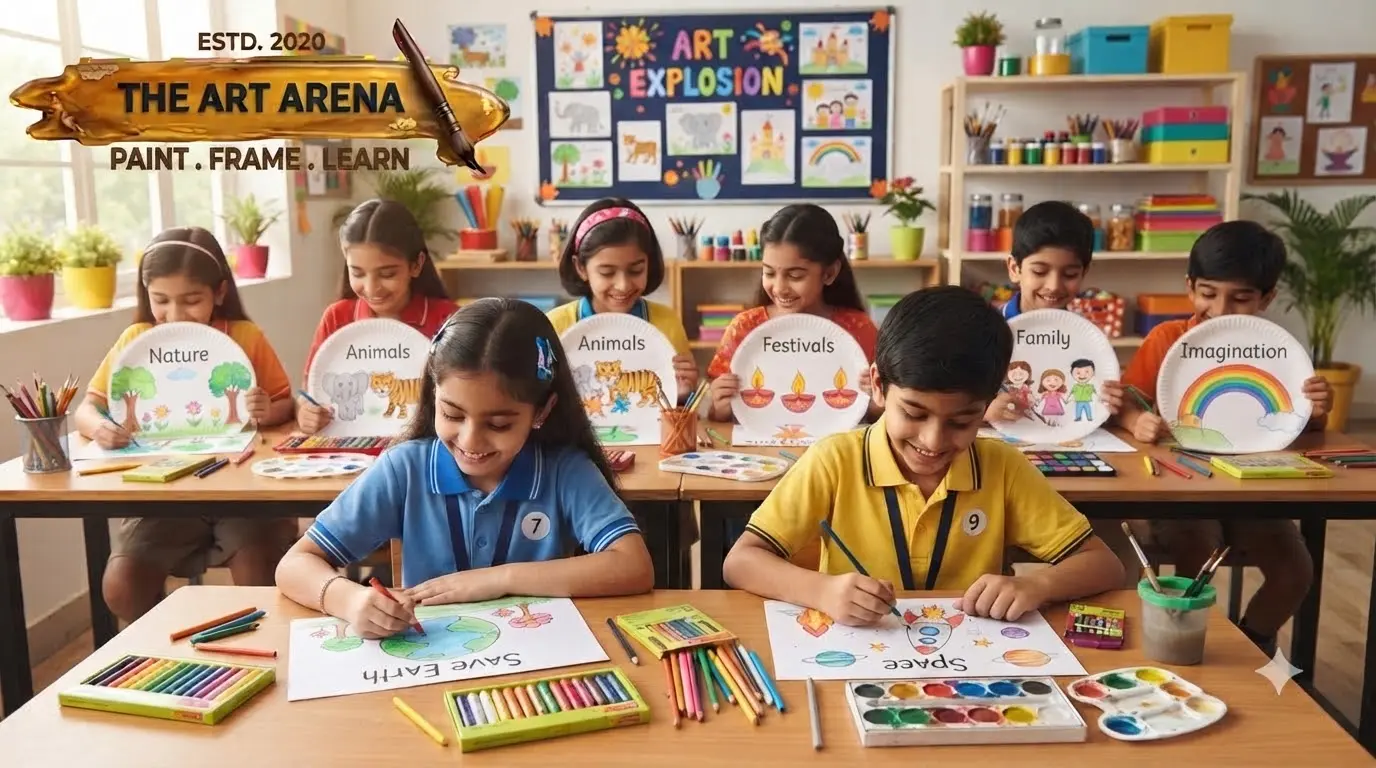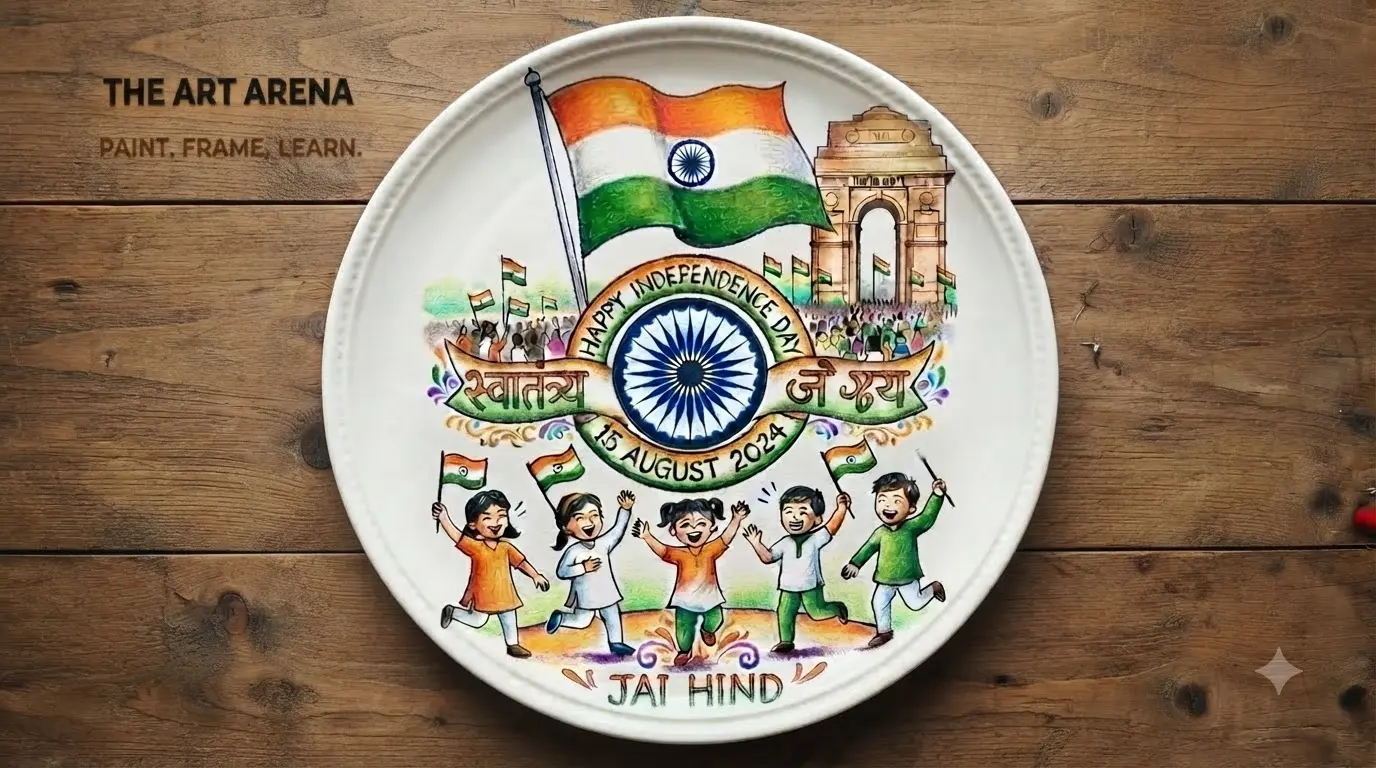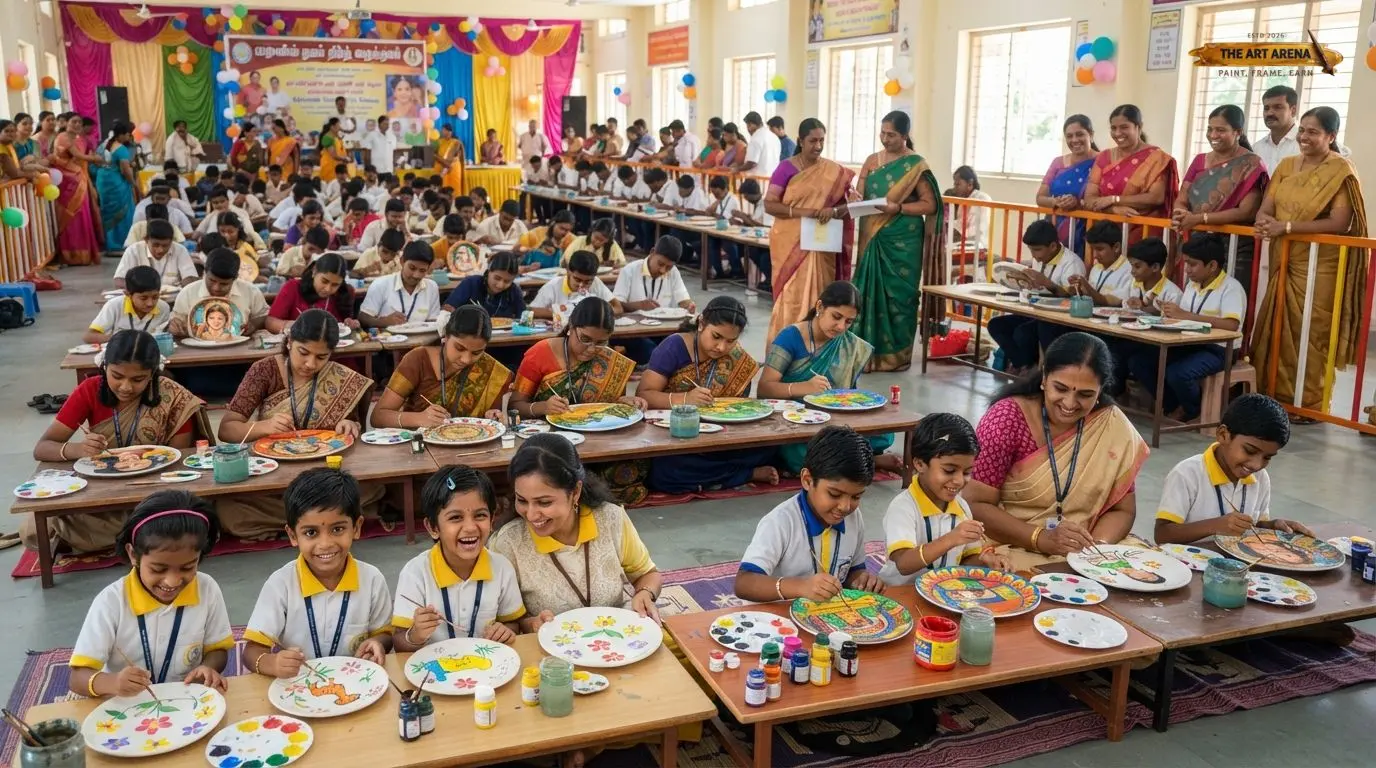
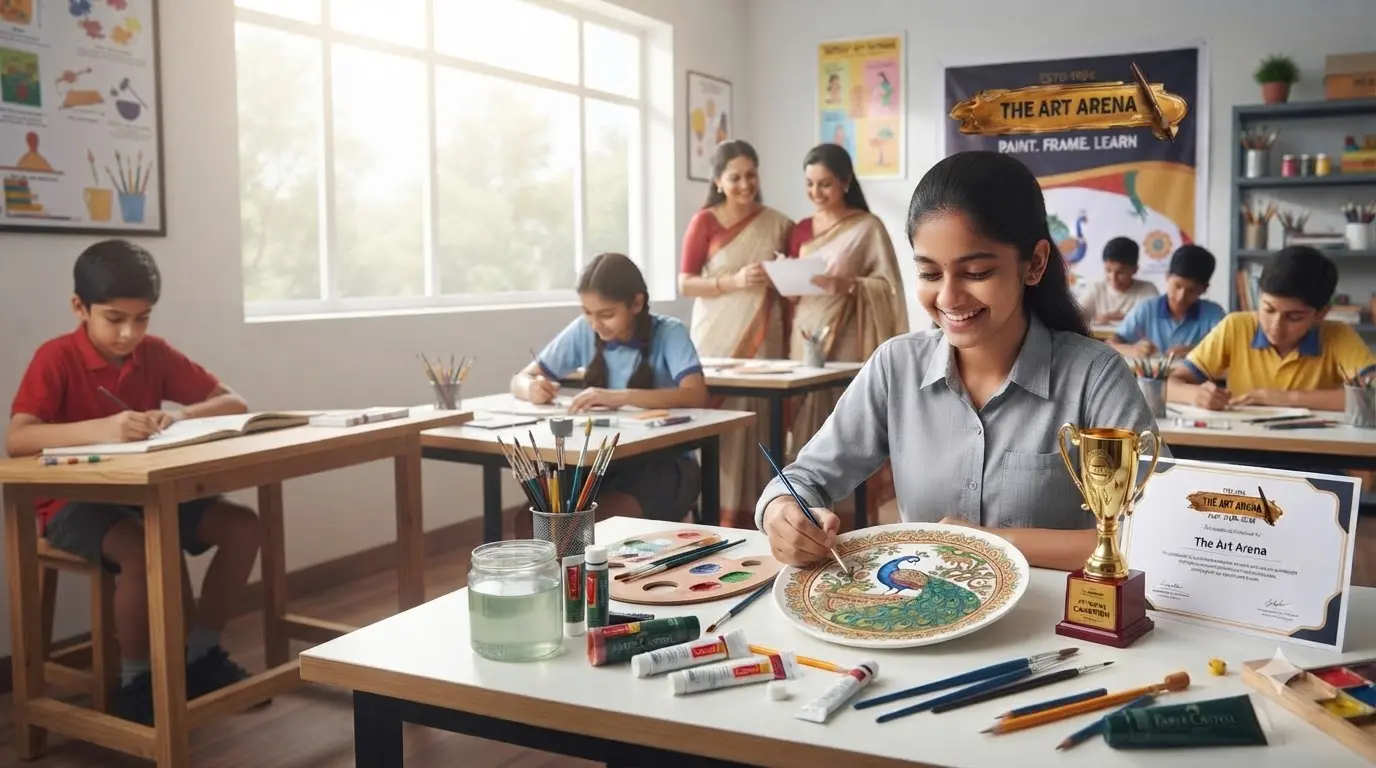
The best way to win drawing competition is to understand the competition theme, plan your artwork before you start, and create an original drawing that tells a clear story. Most judges evaluate entries based on creativity, composition, technical skills, colour harmony, presentation, and how well the artwork matches the theme. Consistent practice, careful planning, and attention to detail usually make a bigger difference than creating the most complex drawing.
Whether you're participating in a school drawing competition, an online art contest, or a national-level event, winning requires much more than artistic talent. Every year, thousands of students submit beautiful artwork, but only a few stand out because they communicate an idea clearly while following the competition guidelines.
In 2026, many drawing competitions encourage originality, creativity, and meaningful storytelling instead of copied artwork. Judges are increasingly looking for participants who can express their own ideas rather than recreate images found online. This means that understanding the topic, planning your composition, and presenting a clean, well-balanced drawing can significantly improve your chances of success.
This guide explains how to win drawing competition using practical strategies followed by experienced artists and educators. You'll also learn the art competition, common judging criteria, preparation techniques, and mistakes that often reduce scores.
Whether you're entering your first competition or trying to improve your results, these proven tips will help you prepare with confidence.
What Makes a Winning Drawing?

Many students believe that the most detailed artwork always wins. In reality, judges usually prefer artwork that communicates a strong idea instead of simply showing technical ability.
A winning drawing generally combines five important elements.
1. A Clear Connection to the Theme
Every competition begins with a topic. The best artwork answers that topic directly instead of forcing unrelated ideas into the drawing.
For example, if the theme is Save Nature, showing people planting trees creates a stronger connection than drawing a random landscape.
2. Original Thinking
Originality is one of the biggest factors in modern drawing competitions.
Instead of copying a popular image from Google or social media, think about how you can present the same idea from your own perspective.
Even a simple concept can stand out when it tells a personal story.
3. Balanced Composition
Good composition guides the viewer's eyes naturally across the page.
A strong composition usually includes:
- One clear focal point
- Proper spacing
- Balanced placement of objects
- A background that supports the main subject
Avoid filling every corner of the page with unnecessary details.
4. Strong Technical Skills
Technical perfection isn't necessary, but basic drawing skills help improve the overall quality of your artwork.
Judges often notice:
- Accurate proportions
- Smooth shading
- Clean outlines
- Colour harmony
- Proper perspective
Practising these fundamentals regularly can improve your performance in almost every drawing competition.
5. Neat Presentation
Presentation is often overlooked.
Even an excellent drawing can lose marks if it contains smudges, torn paper, uneven colouring, or unfinished sections.
Before submitting your work:
- Erase unwanted pencil marks.
- Keep the paper clean.
- Check borders and edges.
- Finish every part of the artwork carefully.
Small improvements in presentation can make your drawing appear far more professional.
How to Prepare Before the Competition
Good preparation often separates winning entries from average ones.
Instead of starting immediately, follow a structured preparation process.
Understand the Competition Theme
Read the topic carefully.
Ask yourself:
- What is the main message?
- What emotions should the drawing communicate?
- Who will be judging the artwork?
Understanding the purpose behind the topic helps you create artwork that feels meaningful instead of generic.
Research Before You Draw
Spend a little time collecting inspiration from nature, books, museums, or everyday life.
The goal isn't to copy another artist's work.
Instead, use references to understand colours, lighting, composition, and storytelling while creating your own original interpretation.
Brainstorm Multiple Ideas
Professional artists rarely choose their first idea.
Create three or four small thumbnail sketches before deciding on your final composition.
This process helps you compare different layouts and identify the strongest concept before investing time in the final artwork.
Practise Difficult Elements
If your drawing includes hands, animals, faces, buildings, or perspective, practise those individual elements separately first.
A few minutes of focused practice can improve confidence and reduce mistakes during the final drawing.
Organise Your Materials
Before the competition begins, make sure you have everything ready.
Prepare:
- Drawing pencils
- Eraser
- Sharpener
- Colour pencils or paints
- Ruler
- Tissue or blending tools (if allowed)
Having your materials organised helps you stay focused and manage time more effectively during the competition.
Create a Simple Time Plan
Many students spend too much time adding details and then rush the finishing stage.
A better approach is to divide your available time.
For example:
- 15% Planning
- 20% Sketching
- 45% Colouring and Details
- 20% Final Review and Corrections
This simple strategy helps ensure that every part of your drawing receives enough attention
What Judges Look For
Although every competition has its own scoring system, most judges evaluate artwork using similar criteria.
They usually assess:
- Theme relevance – Does the artwork clearly answer the competition topic?
- Creativity – Does the drawing present an original idea?
- Composition – Is the layout balanced and visually appealing?
- Technical skills – Are proportions, shading, perspective, and colouring handled well?
- Presentation – Is the artwork neat, complete, and professionally finished?
- Visual impact – Does the drawing capture attention and communicate its message effectively?
Remember that judges don't always choose the most complicated drawing. They often reward artwork that combines creativity, clarity, and thoughtful execution.
Most drawing competitions do not reward the most complicated artwork. Instead, judges usually give higher scores to drawings that clearly match the theme, present an original idea, demonstrate neat execution, and communicate a meaningful story. Focusing on these core judging criteria can significantly improve your chances of success.
| Evaluation Criteria | What Judges Actually Look For | How to Score Better |
|---|---|---|
| Theme Relevance | Your artwork should clearly answer the competition topic without confusing the message. | Read the theme carefully and keep every element connected to it. |
| Creativity & Originality | Fresh ideas, personal storytelling, and unique concepts instead of copied artwork. | Develop your own concept and add your personal perspective. |
| Composition | A balanced layout with one clear focal point and good use of space. | Sketch a rough layout first before creating the final drawing. |
| Drawing Technique | Clean outlines, accurate proportions, perspective, shading, and overall control. | Practise difficult elements such as hands, faces, and perspective before the competition. |
| Colour Harmony | Colours should support the mood and improve visual appeal rather than distract the viewer. | Use a balanced colour palette and avoid overusing bright colours. |
| Presentation | Neat, clean, well-finished artwork without smudges, folded paper, or unfinished sections. | Clean the page, erase unwanted marks, and review your work before submission. |
| Storytelling | The artwork should communicate a meaningful idea or emotion that connects with the viewer. | Create a drawing that tells a story instead of simply showing objects. |
| Overall Impact | Judges often remember artwork that is simple, original, and emotionally engaging. | Focus on one strong message rather than adding unnecessary details. |
Drawing Competition Rules You Should Never Ignore
Many students spend hours creating beautiful artwork but lose valuable marks because they overlook simple competition rules. Before you begin your final drawing, take a few minutes to read the instructions carefully. Following the drawing competition rules is just as important as creating impressive artwork.
Start by checking the competition theme and ensure your drawing clearly reflects it. Even a technically excellent drawing may score lower if it doesn't match the given topic.
Next, review the paper size, drawing medium, and submission guidelines. Some competitions only allow coloured pencils, while others accept watercolours, crayons, or mixed media. Using an unapproved material can affect your eligibility.
Time management also plays a major role. Avoid spending too much time perfecting one small section while leaving the rest unfinished. Plan your work so you have enough time to complete details and make final corrections.
Finally, remember that most schools and organisations require original artwork. Copying designs from the internet, tracing another artist's work, or using AI-generated images as final submissions can result in disqualification. Instead, use references only for inspiration and create your own interpretation.
Following these simple drawing contest rules allows your creativity to shine without losing marks over avoidable mistakes.
10 Expert Tips to Win a Drawing Competition
Winning isn't about having the most expensive art supplies or creating the most detailed picture. Small improvements in planning and presentation often make the biggest difference. Here are ten practical drawing competition tips that artists and teachers commonly recommend.
1. Understand the Theme First
Don't start drawing immediately. Spend a few minutes thinking about what the topic actually means and how you can present it differently from others.
2. Sketch Before the Final Artwork
Create two or three rough layouts before choosing your final composition. A simple thumbnail sketch helps you organise the page more effectively.
3. Tell a Story
Judges remember artwork that communicates emotion or a meaningful message. Instead of filling the page with random objects, create one clear story.
4. Keep One Strong Focal Point
Every successful drawing has one area that immediately captures attention. Use colour, contrast, or lighting to guide the viewer's eyes naturally.
5. Focus on Quality, Not Quantity
Adding too many elements often makes artwork look crowded. A clean composition with fewer, well-drawn subjects usually creates a stronger visual impact.
6. Practise Your Weak Areas
If you struggle with faces, hands, animals, or perspective, practise those individually before competition day. This improves confidence during the final drawing.
7. Use Colours Purposefully
Choose colours that support the mood of your artwork instead of colouring every object brightly. Balanced colour harmony often creates a more professional appearance.
8. Leave Time for Final Corrections
Reserve the last ten to fifteen minutes for checking proportions, cleaning pencil marks, and improving small details.
9. Stay Calm Under Pressure
Feeling nervous is normal, but rushing usually leads to mistakes. Work steadily and trust your preparation.
10. Keep Learning After Every Competition
Every competition provides valuable experience. Review feedback, identify areas for improvement, and continue practising for future events. Consistency is one of the biggest factors behind long-term success.
Common Mistakes That Reduce Your Score
Many students lose marks for reasons that are completely avoidable. Understanding these mistakes can improve your overall performance more than simply practising longer.
One of the biggest mistakes is ignoring the competition theme. Your drawing should answer the topic clearly instead of forcing unrelated ideas into the artwork.
Another common issue is copying artwork from the internet. Judges can often recognise copied concepts, and original ideas almost always leave a stronger impression.
Poor composition is another frequent problem. Filling every corner of the page with unnecessary details can make the drawing feel cluttered. Instead, leave enough negative space to create balance.
Students also tend to rush the final stage, leaving smudges, unfinished backgrounds, or uneven colouring. Clean presentation plays a major role in the overall score.
Finally, avoid experimenting with new art materials on competition day. Use supplies you're already comfortable with so you can focus entirely on expressing your idea.
Quick Drawing Competition Checklist
Before submitting your artwork, spend a few minutes reviewing this drawing competition checklist.
✔ Does your drawing clearly match the competition theme?
✔ Is your artwork completely original?
✔ Have you checked proportions and composition?
✔ Are colours balanced and neat?
✔ Have you erased unnecessary pencil marks?
✔ Is the background complete?
✔ Have you followed every submission guideline?
✔ Does your artwork communicate a clear message?
A quick review often helps you notice small improvements that can increase your final score.
Frequently Asked Questions
How can I win drawing competition?
The best way to win drawing competition is to understand the theme, prepare your composition in advance, create original artwork, and present it neatly. Judges usually reward creativity, storytelling, and relevance over excessive detail.
What do judges look for in a drawing competition?
Most judges evaluate drawing competition criteria such as theme relevance, originality, creativity, composition, technical skills, colour harmony, and overall presentation.
How should I prepare before a drawing competition?
Good drawing competition preparation includes researching the topic, creating rough sketches, practising difficult elements, organising your materials, and planning your time before starting the final artwork.
Can beginners win drawing competitions?
Absolutely. Beginners can perform very well by choosing a simple but creative idea, maintaining neat presentation, and following the competition guidelines carefully.
Is originality more important than detailed artwork?
In many competitions, originality carries significant weight. A creative concept that communicates the theme effectively often performs better than a highly detailed drawing that lacks a clear message.
Conclusion
Learning how to win a drawing competition is not about finding a secret trick—it's about combining preparation, creativity, and consistent practice. Every successful artwork begins with understanding the theme, planning a strong composition, and presenting an original idea with confidence.
As competition standards continue to evolve in 2026, judges are placing greater value on authenticity, storytelling, and thoughtful execution rather than copied designs or unnecessary complexity. By following the techniques, preparation strategies, and practical advice shared in this guide, you'll not only improve your chances of winning but also become a stronger and more confident artist over time.
Whether you're preparing for your first school drawing competition or aiming for higher-level contests, focus on steady improvement, learn from each experience, and continue developing your own creative style. At The Art Arena, we believe every competition is an opportunity to learn, improve, and express your creativity with confidence. Keep practising, stay original, and let every new artwork bring you one step closer to success.
Member of The Art Arena editorial team — passionate about bringing inspiring art stories and competition insights to artists across India.